Bare Metal
Dedicated servers where each core and every clock cycle stands in your name
Bare-metal Xeon hardware, root in your hands, the Linux distribution of your choosing, and Hestia fitted already at no charge. No set-up fee now, and none later.
$149.99
Monthly, and it never shifts
32 GB
RAM inside the chassis
100 TB
Monthly transfer on 500 Mbps
$0
Set-up cost, full stop
Pricing
The monthly figure, written out
Enterprise-grade hardware at one plain monthly rate, delivered ready to run.
Xeon E-2274G
A whole physical box, reserved in your name alone
$149.99/mo
$1,800 today · billed annually
the price never jumps at renewal
- CPU
- Xeon E-2274G · 4c/8t
- RAM
- 32 GB
- Storage
- 2×4 TB HDD or 2×960 GB NVMe
- Bandwidth
- 100 TB/mo @ 500 Mbps
- Full root access — no locked doors
- Hestia comes pre-installed as your control panel
- AlmaLinux 9 is the default build; ask if you want another distro
- Your own dedicated IPv4 address
- Leaving shared hosting? The migration costs nothing
- No charge to set it up, so nothing is owed in advance
- Nothing shared — the whole machine is yours
- DDoS filtering screens traffic up front
- 100 TB of bandwidth every month
- Two drives, ready for RAID
- Hardware replacement covered
- Remote reboot and rescue mode
- Backed by a 99.9% uptime guarantee
The Hardware
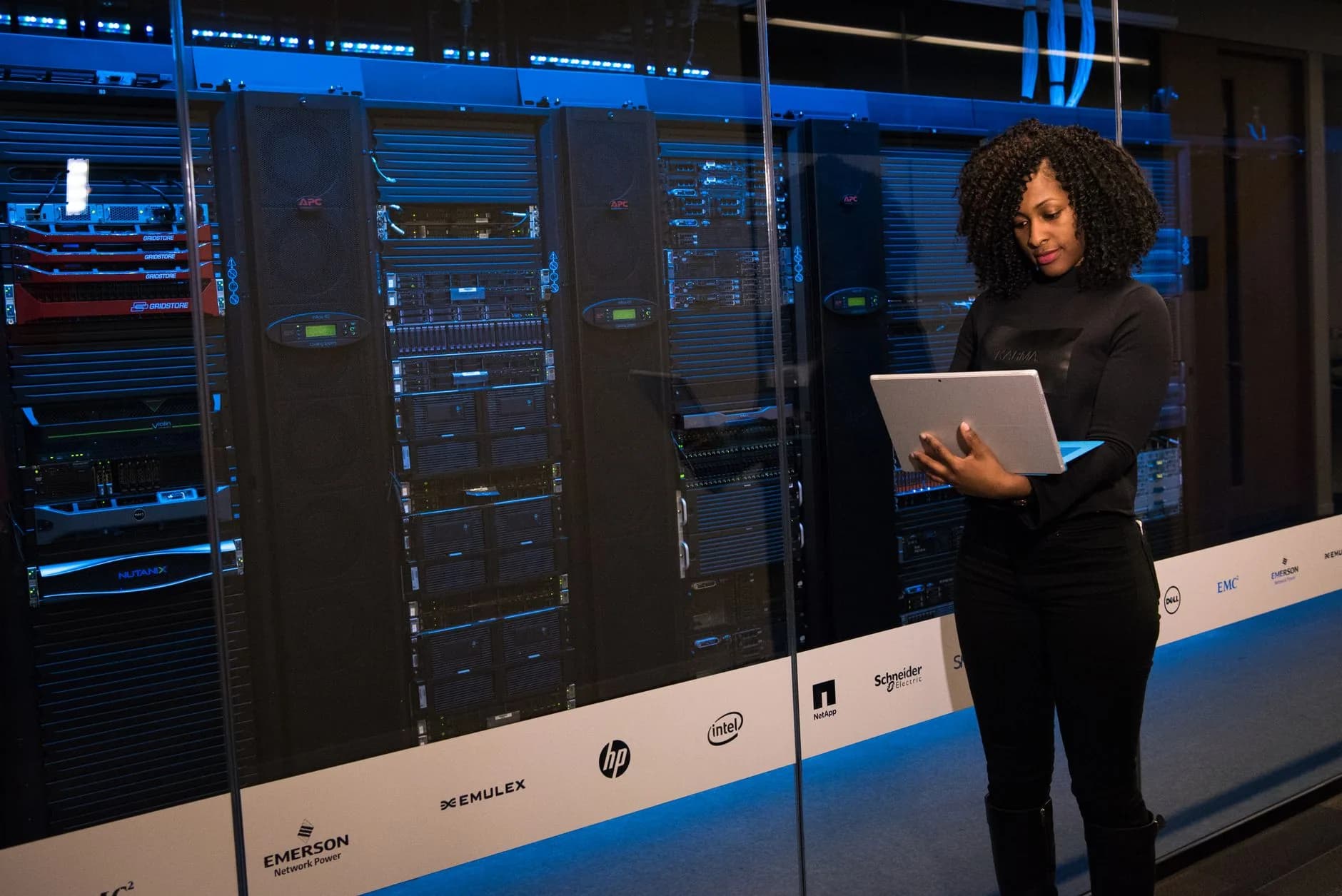
Xeon hardware reserved to one customer account and nobody else
Order a dedicated server and its physical hardware works for your account alone. That arrangement lasts as long as the plan does, and no one else draws on it. Cores, memory and the full width of the network port go down against your name. No second tenant is going to turn up on that box later on.
- Intel Xeon E-2274G, 4c/8t
- 32 GB RAM
- NVMe or HDD storage
- 500 Mbps port, 100 TB/mo
Under The Hood
The parts doing the work
AlmaLinux 9 goes on unless you name another distribution — just say. cPanel can be fitted too, under a licence of its own.

Intel Xeon E-2274G
Eight threads run across four physical cores, and one name holds the lot. No other tenant's workload ever competes with yours.
32 GB RAM
Databases that push hard will take what they need from memory here. A game lobby at full capacity puts the same demand on it. Container swarms do too, and not one gigabyte is reserved elsewhere.
HDD or NVMe
Only the disks are left for you to decide on the order form. Pick 2×4 TB of HDD where room is what you lack, or 2×960 GB of NVMe where latency is.
100 TB bandwidth
Traffic leaves by a 500 Mbps port whose monthly allowance nobody bothers tracking. Streams carry on and syncs reach their end without an interruption. Downloads land the same way, with the gigabytes going uncounted.
Full Access
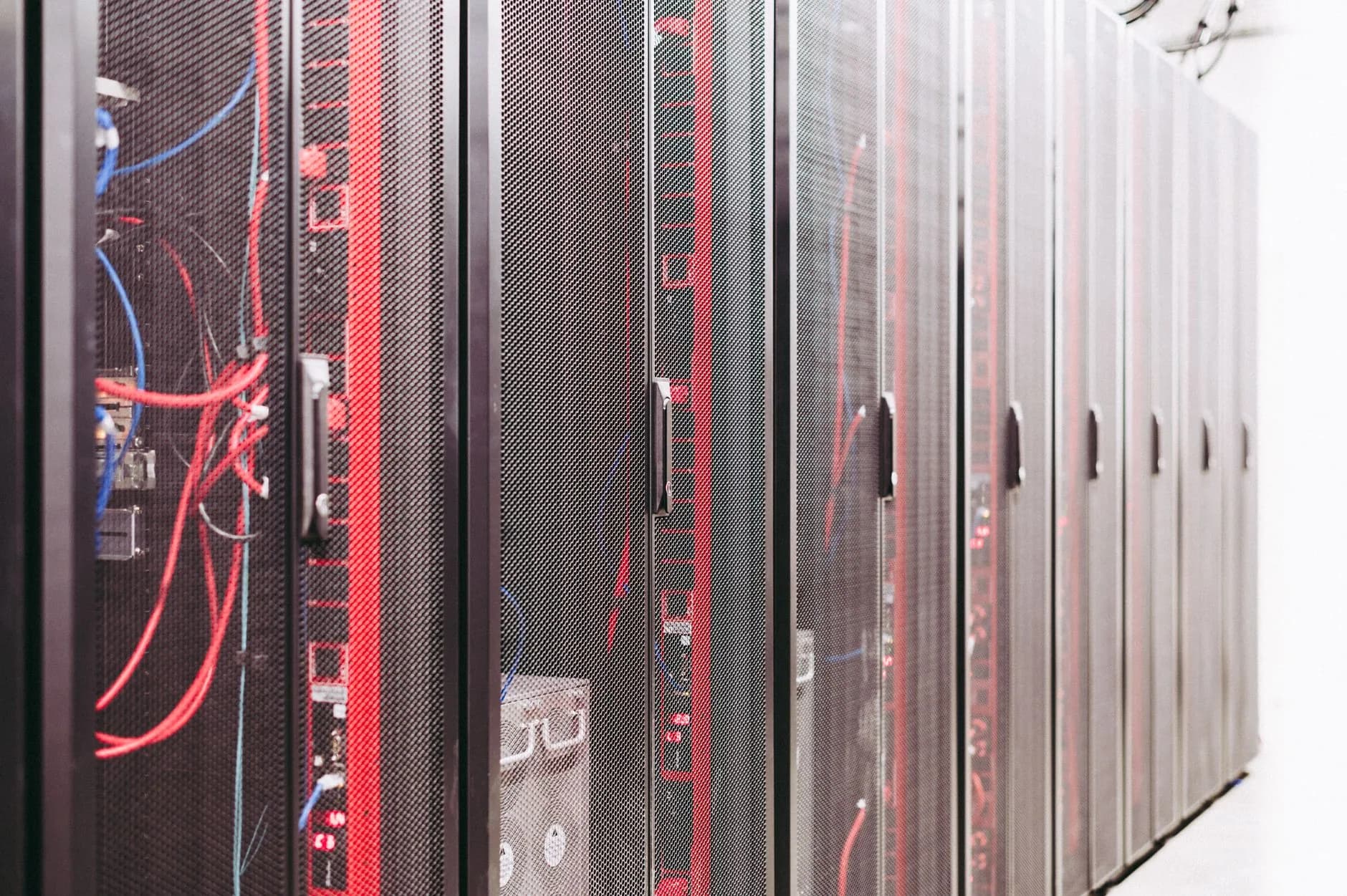
Full root access, with a control panel already sitting on the box
Root belongs to you from the minute the credentials land, and Hestia comes preloaded, ready to run sites, mail and DNS from a browser tab, which makes a shell optional rather than compulsory. Open one anyway. Whether you use it every day or never at all is your call. Leave it shut.
- A root login with no limits
- The Hestia panel already installed, free
- Whichever Linux distribution you ask for
- cPanel added on request
Why Bare Metal
The point where a shared plan, or even a VPS, stops carrying the workload

Root is yours
Every switch on the machine is yours to throw; it answers to you alone, and the free Hestia panel was installed and waiting before your first login. Nobody vets the change. You make it and it stands.
One tenant: you
With a single tenant holding the hardware, performance stops surprising you. Your attack surface narrows to the software you chose to run. Nobody else has an account anywhere on that box.
The hardware stays our problem
Above the operating system, every decision belongs to you, and below it we look after the physical box, the network feeding it and the datacentre holding them both. The line sits there by design. Watch goes on at every hour of the day.
Built For
Jobs where bare metal earns back what it costs

Large databases
A heavy MySQL or PostgreSQL job, or an analytics workload, gets the whole machine to itself. Cores and memory are both there for it to stretch into.
Low-latency game hosting
A dropped tick never escapes a player community; they clock it the moment it happens. Latency holds where you need it.
Applications carrying heavy load
Millions of requests can land here without meeting a ceiling. A shared plan would set one overhead, and so would a VPS.
The Process
Order today, root tomorrow

- 1
Place the order
Two questions come up at checkout: which disks, and which operating system. Set-up itself carries no charge at all.
- 2
We build it and rack it
Our engineers put the hardware together, rack it, run the cabling and bring it up on power. Most builds are done inside 24 hours.
- 3
You sign in as root
Login details for root are handed over to you. Your own stack then goes on top of the build. From there the machine answers to one account only.
Included
The full specification
- Intel Xeon E-2274G (4c/8t)
- 32 GB DDR RAM
- 2×4 TB HDD or 2×960 GB NVMe
- 100 TB/mo @ 500 Mbps
- A dedicated IPv4 address
- Root with nothing held back
- The Hestia panel installed at no charge
- Builds ship with AlmaLinux 9 by default; say the word for a different distribution
- A free move off our shared hosting
- Set-up at $0, and support that never closes
Free Migration
Leaving a shared plan behind? Our engineers do the moving
Shared account full? Our engineers carry every site across to the new hardware and raise no charge for the labour, because stepping up a size should not also cost you days of copying files. Not one file goes across by your hand.
- Moving off our shared tier costs nothing
- Mail, databases and sites all carried over
- Done end to end by our engineers
- As little downtime as the physics allows
FAQ
Answers on bare metal
Who runs the server day to day?
You do. A dedicated server here is self-managed with full root, and that is precisely what holds the price down while handing you every decision about the software stack: what runs, how it is configured, when it gets updated. To soften the first day, each machine turns up with the free Hestia control panel already installed, so a web interface for sites, mail, DNS and databases is waiting at first boot instead of a bare prompt. Our side of the deal is everything below your operating system: the physical hardware, the network, power and connectivity, and any platform-level fault, watched and supported at all hours. Routine administration of the OS, application security, user management and service tuning belong to you, although our team still fields the common questions and points you towards a fix. Not keen on running an operating system? Something like cPanel lifts most of that work away.
What OS options are on the table?
The standard build is AlmaLinux 9, which suits most workloads: a stable, free, enterprise-class Linux that is binary-compatible with Red Hat Enterprise Linux, so anything compiled for RHEL or CentOS runs on it unchanged. Would you rather start from a different base? Other major distributions, Ubuntu LTS, Debian and Rocky Linux among them, can be supplied on request, and full root lets you shape the system to whatever the applications demand. For management, the free Hestia panel arrives pre-installed, though you are equally welcome to drop panels entirely and drive the services yourself, or to add cPanel under its own licence if that is the environment you and your clients already know. Put the operating system and panel you want on the order, and the machine arrives configured, so day one goes on deploying rather than reinstalling.
How long until the server is mine?
Normally inside 24 hours of the payment clearing, and frequently sooner than that. This is not the instant switch-on of shared hosting, since physical hardware is being made ready for you alone, but nothing empty turns up: the operating system and control panel you picked are installed, the network is configured, and the machine sits ready for its first login, so you deploy from minute one rather than watching installers grind. Got particular requirements, a specific distribution, a custom partition layout, a certain panel? Write them on the order and the build follows them. Should anything in that first setup miss what you asked for, our team puts it right during onboarding. From then on, hardware, network and platform support carry on around the clock for as long as the server stays yours.
Put a Xeon box on the register in your name.
Built, racked and root-ready within 24 hours — and if you are on our shared plans, the move across is free.
Get Your ServerSometimes virtual stops being the answer: a database that wants every core, a compliance clause that rules out shared tenancy, or a workload that simply needs the whole machine. It runs on NVMe arrays with LiteSpeed in front, in data centres with conditioned power and more than one way out to the internet.
A good match for teams that want every core of the hardware to themselves. Certificates cost nothing, the migration costs nothing, backups run by themselves, and support answers quickly whatever the hour.
An entire machine with a single tenant
You get bare-metal Xeon hardware with full root, no hypervisor between the workload and the silicon, and no neighbours competing for cache. Specify the disks, the memory and the network yourself; we rack the machine in our London datacentre and hand it over with out-of-band access.
Monitoring never looks away. If a machine falters an engineer is on it before your server notices, which is how a 99.9% uptime figure keeps meaning something.
When dedicated hardware pays for itself
Check the price once and you are finished. The renewal matches the sign-up, promotional rates are marked as promotional, and the renewal figure sits beside them so you can do the arithmetic yourself. Servers are built to order for you alone, so they sit outside the money-back window; talk to us before committing and we will size the machine honestly.
A dedicated box costs more than a VPS, as renting an entire machine should. What it never does is drift: the monthly figure holds, and the specification you ordered is the one that stays racked.
What goes into the rack for you
Machines sit in our London datacentre on conditioned power, with redundant network paths and DDoS filtering at the edge. Our engineers handle the hardware, the swaps and the hands-on work, while the operating system stays entirely yours.
Patching is ours. Our engineers roll kernel updates, panel releases and PHP versions across the fleet, so staying current never depends on your memory.
- Single-tenant bare-metal Xeon machines
- Remote hands plus out-of-band access
- a 99.9% uptime SLA backed by service credits
- Daily backups you restore yourself, in one click
Good to Know
More that's built in
Benchmarks that never wander
Zero hypervisor, zero neighbours, zero shared cycles. Day-one performance is permanent performance.
A panel that stays out of the way
The controls sit where instinct expects them, which is most of what a decent panel owes anybody.
Scale up without relocating
Outgrowing a tier is fixed with one click in the panel rather than a migration eating your weekend.
Free to leave any time
No proprietary lock-in and no exit fees; we would rather earn the renewal than trap it.
Quick with zero tuning
Speed is the starting point: NVMe arrays and caching at the server make a server quick on day one.
SSL included free
HTTPS is arranged on each domain, free to issue and free to renew, for as long as the account exists.
Getting Going
Getting going takes three steps
- 1
Select a tier
Give us the cores, the memory and the disk the workload needs.
- 2
Hook up the domain
We rack it, set it up, and hand over root along with out-of-band access.
- 3
Open for traffic
Move the workload over, with migration help from our team at no charge.
In Every Plan
Thrown in without an extra charge
- Built to order, so the specification is agreed with you first
- A single-tenant box with full root
- On-site engineers swap failed hardware
- Backups taken automatically every day, all plans
- a 99.9% uptime SLA that pays credits when missed
- Humans answering support 24 hours a day
- NVMe storage standard, never an upsell
- Renewal billed at your original sign-up rate
Still Curious
Questions that keep coming up
How long is the lead time on a dedicated server?
A standard build is normally handed over inside the same working day. Custom disk or memory layouts take longer, with the delivery date confirmed before you order rather than afterwards. Either way, migration help from our engineers is included at no cost.
Do I wait around after ordering?
A working account reaches you within minutes of payment. Coming from another provider? Give us the login and the transfer is run by our engineers free, usually within a day.
Do certificates cost anything?
Free, installed, and renewing by itself. You would only buy a certificate for a wildcard or for a validated seal that procurement insists on.
What if dedicated server hosting proves to be the wrong size?
Machines like these are put together to your specification, so they carry no money-back window, which is why we would rather get the sizing right at the outset than sell you more than you need. Tell the team the workload before ordering and they will recommend a tier honestly. Outgrowing it later is a resize rather than a repurchase.
Keep reading
VPS Hosting
Root-access KVM cloud servers from $13.52/mo.
Dedicated Cloud
Reserved private cloud capacity, held for you alone.
Secure Hosting
Hardened accounts, DDoS screening, daily backups.
Handpicked from the Resource Library
VPS or Dedicated Server?
Crossover point, located properly, with the real numbers beside it.
Dedicated Servers, Defined
Working out whether you actually need bare metal? Start with this explanation.
Best-Value Dedicated Servers
Sorting real value out from a plain false economy.