Hosting, Market by Market
Web hosting arranged for Spain
What genuinely differs when your order comes from Spain: the local endings we can register, what your card is charged, the distance to our servers, how tax applies, and which payment methods we still cannot accept.
Local Differences
Buying from Spain, point by point
This is not a template with the country swapped in. Each line below shifts with where you are ordering from.
Local domain endings
.es — all of these we register for you directly.
Prices in your currency
Figures display in EUR; the card is billed in USD. The conversion happens at your bank, which may add a fee of its own.
How far our servers sit
About 10–35 ms for the round trip. It reads as local. Shifting the hardware inside your own borders would gain you nothing worth measuring.
Support on your clock
CET/CEST, which is one hour in front of the clock we keep. First replies target 2 hours in English, day or night.
Local Endings
What your national ending costs
Figures taken directly from our live price list — no rounded estimates.
| Domain ending | Year one |
|---|---|
| .es | $11.99 |
| .eu | $8.99available to register if you live in the EU |
See the full price list — all 65 endings on our list, without exception.
Unique to Spain
Points that apply only in this market
At roughly 30 ms, Spain sits a little outside Western Europe's core, and that is still quick enough for readers not to notice. Our .es registrations carry no local-presence rule, so one can go in today. Bizum is the payment gap worth naming.
Operating in Spain
Beyond price and ping
What running a site from here involves that no plan comparison ever mentions.
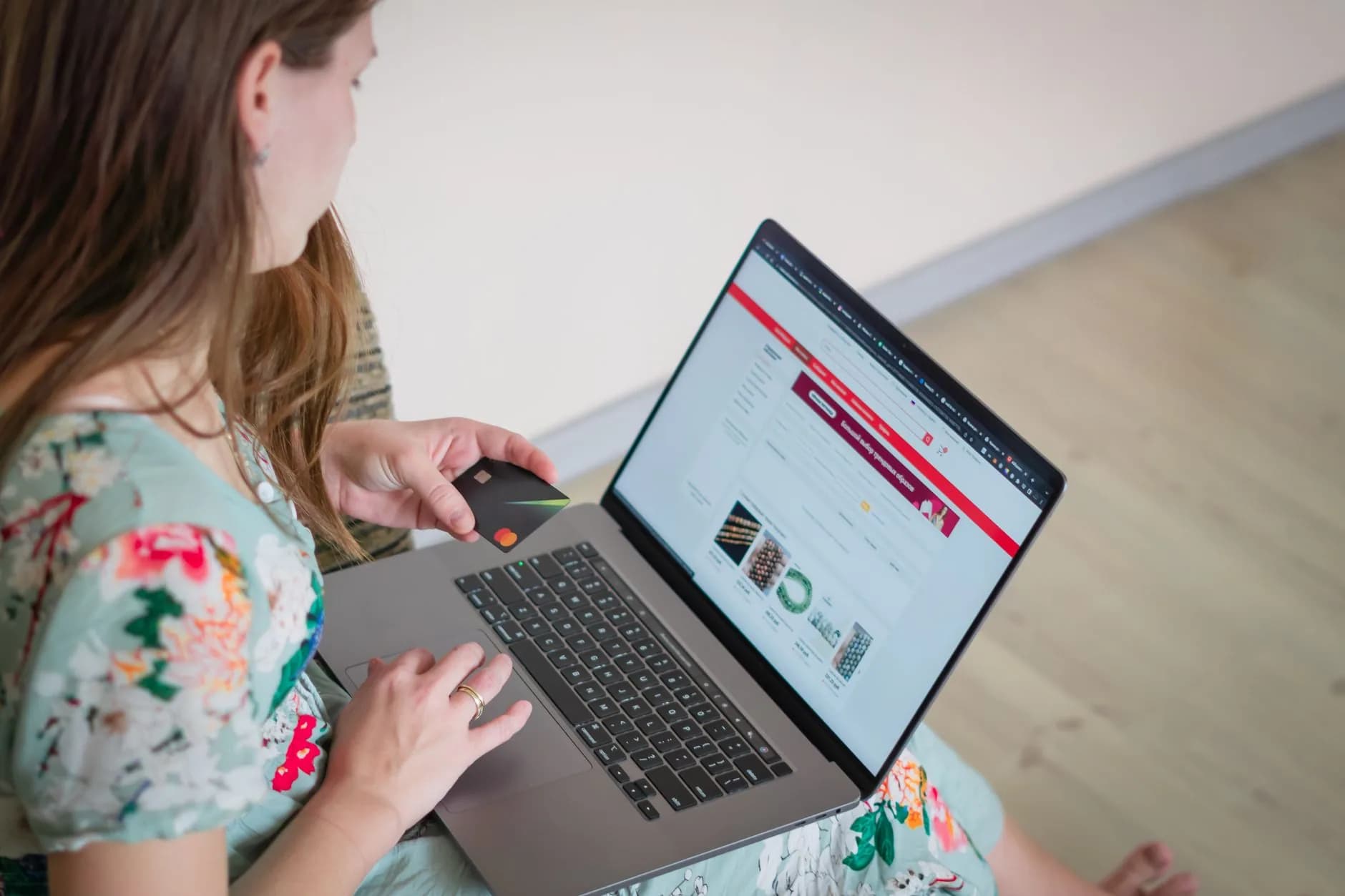
One country, several languages, one hosting account
A Spanish site is very often several sites in one. Castilian beside Catalan, Galician or Basque is the routine arrangement for anyone selling into Catalonia, Galicia or the Basque Country, and adding a translation plugin roughly multiplies three things at once: pages, database rows, and the count of URLs a crawler must get through. So this is a hosting question at least as much as a content one. It also explains why a Spanish shop outgrows an entry plan well before its traffic suggests it should.
Hold those language variants as subdirectories or subdomains inside one account instead of scattering them across separate hosting. That way there is one certificate, one backup set, and one place to clear the cache. Regional endings are not ones we register. The national ending is, and since .es carries no local-presence rule, it stays open to you whenever you want it.
- Pages and database rows multiply in a multilingual build long before readers do
- Hold every language on one account: one certificate, one nightly backup, one cache to clear
- .es registered direct, and no local-presence requirement stands in the way
At Checkout
Which payments go through, and which do not
Where our supported methods differ from your country's habits — flagged up front, not discovered at payment time.
What we accept
Credit and debit cards from Visa, Mastercard and American Express, issued in Spain or any other country, so long as the card is cleared for international payments. Stripe handles the charge itself, which keeps card numbers off our servers entirely.
Not supported yet
Bizum, the option a great many Spaniards now reach for before anything else. We cannot take it, which leaves a card as the way to pay us.
Full detail on payment methods and how we handle currency.
Asked and Answered
What customers in Spain want to know
Does ordering work from Spain?
Absolutely. Visa, Mastercard and American Express cards issued in Spain are all accepted, and provisioning fires automatically the second payment clears — no manual approval step, no need to be anywhere near the UK. Prices display in EUR so you can judge the cost; the actual charge reaches your card in USD.
Which payment methods are common in Spain, and do you accept them?
Here is the honest version rather than the sales one. Bizum, the option a great many Spaniards now reach for before anything else. We cannot take it, which leaves a card as the way to pay us. The one method that always works is a card enabled for international payments. Better to know that now than after an hour spent comparing plans.
How fast will pages load for visitors in Spain?
Our hardware runs in London, roughly 10–35 ms away. It reads as local. Shifting the hardware inside your own borders would gain you nothing worth measuring. For a first-time visitor pulling a cached page, the gap barely registers — an edge node near them can serve it. Where distance does show up is logged-in activity: the WordPress dashboard, a checkout, anything uncacheable, because each of those actions makes the full London round trip. Our infrastructure page breaks down what a CDN speeds up and what it cannot touch.
Will tax be added to an order from Spain?
Orders placed inside the EU can attract VAT. When they do, we calculate the amount and show it at checkout before any money moves, and no further charge turns up later. Buying as a VAT-registered business? Enter your number and the reverse charge handles the rest.
Do I need a UK address to hold an account?
No. The company running things is Canadian — Azaanex Inc., federally incorporated in Canada under corporation number 1766541-5, verifiable on the public Corporations Canada register — yet buying hosting involves no residency check and no business-registration check. An order from Spain processes exactly like one from London.
What happens if the plan doesn't suit me?
Change your mind within 30 days on a hosting plan, or within 7 days on a reseller plan. That is long enough to put a real site up and judge it against your own traffic instead of trusting our figures. Still not convinced? Ask for the money back. Domain registrations are the single exception: the registry bills us the moment a name goes live, so a registration cannot be refunded.
Run your own test from Spain
Thirty days is enough to measure it against the audience you actually have. If the figures fall short, claim your money back.
Browse the plans